Why Applying for Jobs Online Doesn’t Work Anymore (and What to Do Instead)
⏱ Reading time: 5 minutes
Hello Reader,
Welcome to On HR's Radar, my weekly newsletter where I give actionable job search, Career & leadership insights from my experience as Career Coach & founder of Executive Search business Perennial HR
If you're looking for my Cheat Sheet PDFs, the link is at the bottom of this email!
Why Applying for Jobs Online Doesn’t Work Anymore (and What to Do Instead)
Reading time: 6 minutes
🔑 Key Takeaways
- Online applications are saturated, not ineffective. Visibility is the real challenge.
- Most hiring decisions happen outside job boards, through networks, referrals, and targeted outreach.
- Selective, tailored outreach beats volume applying in today’s market.
- Treat your job search like a pipeline, track conversations and momentum, not just applications.
Most professionals know the cycle. You apply consistently, tailor your CV, follow instructions, and still hear nothing back.
The numbers explain why. For a typical online job posting, about 1,000 people view it, 200 start an application, 100 complete it, only 25 reach a recruiter, just 4 to 6 get interviews, and one person is hired.
The issue is not candidate capability. The issue is volume.
For experienced professionals, relying solely on online applications often leads to silence, frustration, and second-guessing. Here is what we are seeing in the market, and what works better.
The Online Application System Is Overloaded
The biggest shift in hiring is volume. Many hiring teams simply lack the time and resources to review hundreds of CVs per role.
The funnel tells the story:
- Hundreds apply to each role
- Only a fraction reach a recruiter
- Even fewer reach a hiring manager
Tools like LinkedIn Easy Apply have lowered the barrier to entry. But they have increased volume far more than outcomes.
We also see this reflected in client behaviour:
- Some roles are no longer advertised publicly
- Many searches are kept confidential to control volume
- Clients increasingly prioritise candidates from direct competitors
From our daily experience, the challenge is not a shortage of strong candidates. It is the opposite.
The Real Issue Is Visibility
AI has made applying faster, but it has not made standing out easier. Most organisations were already receiving more applications than they could realistically review. AI has simply amplified that reality.
What we consistently see:
- Strong candidates rarely struggle with capability
- Many are overlooked despite strong alignment
- The hardest part of today’s job market is visibility
In today’s market, being qualified is no longer enough. Being seen matters more.
Hiring Decisions Often Happen Outside the Applicant Pool
One of the biggest misconceptions is that hiring managers primarily hire from the job advert applicant pool. In practice, many decisions happen outside it.
Across industries, we see hires consistently come through:
- Referrals
- Direct outreach
- Established networks
- Specialist search firms
Another consistent pattern is hiring from competitors. From a client perspective, this reduces risk because those candidates already understand the role environment and expectations.
These candidates rarely come through job boards alone. They are identified through targeted outreach, trusted introductions, and long-standing relationships.
Getting your CV or profile in front of decision-makers consistently matters more than submitting applications.
Generic Applications Do Not Stand Out
Volume-driven applying with minimal tailoring remains a common issue. Many candidates apply broadly using the same CV and expect different results.
Hiring managers prioritise relevance to business challenges over experience alone. The candidates who move forward typically:
- Demonstrate clear understanding of the business
- Show experience solving similar challenges
- Provide measurable outcomes and impact
Tailored applications consistently outperform generic ones.
What Actually Works Instead
A common pattern we see is candidates applying to dozens, sometimes hundreds, of roles with little traction. It is not unusual to apply to 80 to 100 roles and hear from only two or three recruiters, often for misaligned positions.
Over time:
- Confidence drops
- Motivation fades
- Doubt increases
Many then try outreach. They send 10 thoughtful LinkedIn messages, receive one reply, and assume it does not work.
In reality, that is often when traction begins. One meaningful reply often creates more momentum than dozens of applications.
Research supports this. According to 2024 data from LifeShack:
- Each application has about an 8.3 percent chance of leading to an interview
- It typically takes 10 to 20 applications to secure one interview
- Many candidates need 10 to 15 interviews to receive one offer
Direct outreach works. But like applications, it requires consistency and volume.
Where Agency Recruiters Add Value
Experienced agency recruiters build networks over years and maintain trusted client relationships. This often allows us to introduce candidates to organisations:
- Before roles are advertised
- When hiring is exploratory
- Through conversations already underway
Many opportunities begin this way rather than through formal postings.
What Strong Candidates Do Differently
The candidates who gain traction consistently shift their approach:
- They apply selectively to aligned roles
- They prioritise conversations over submissions
- They build relationships with trusted recruiters
- They stay consistent with outreach
They also understand a simple reality. Applications get you considered. Conversations get you hired.
Treat Your Job Search Like a Pipeline
One of the most effective mindset shifts is treating your job search like a pipeline rather than a checklist.
Instead of tracking how many roles you apply to, focus on indicators that reflect real progress:
- Conversations
- Referrals
- Follow-ups
- Momentum
Tracking activity this way provides clearer insight into progress and helps reduce burnout.
Conclusion
Applying for jobs online has not disappeared. But relying on it alone no longer delivers results. The biggest challenge in today’s hiring market is not capability. It is visibility.
Application volume is simply too high for hiring teams to review thoroughly. That is why more roles are filled through networks, outreach, and targeted searches.
If you are job searching, small shifts in approach can make a significant difference. Focus less on applications and more on conversations. Often, it is not the best candidate who gets hired, it is the most visible one.
For practical guidance, read 6 Daily Job Search Habits That Actually Get Results revisit 6 Most Common CV Mistakes to Avoid and explore 6 CV Writing Tips for Catching a Hiring Manager’s Attention
 |
$99.99 $27.00
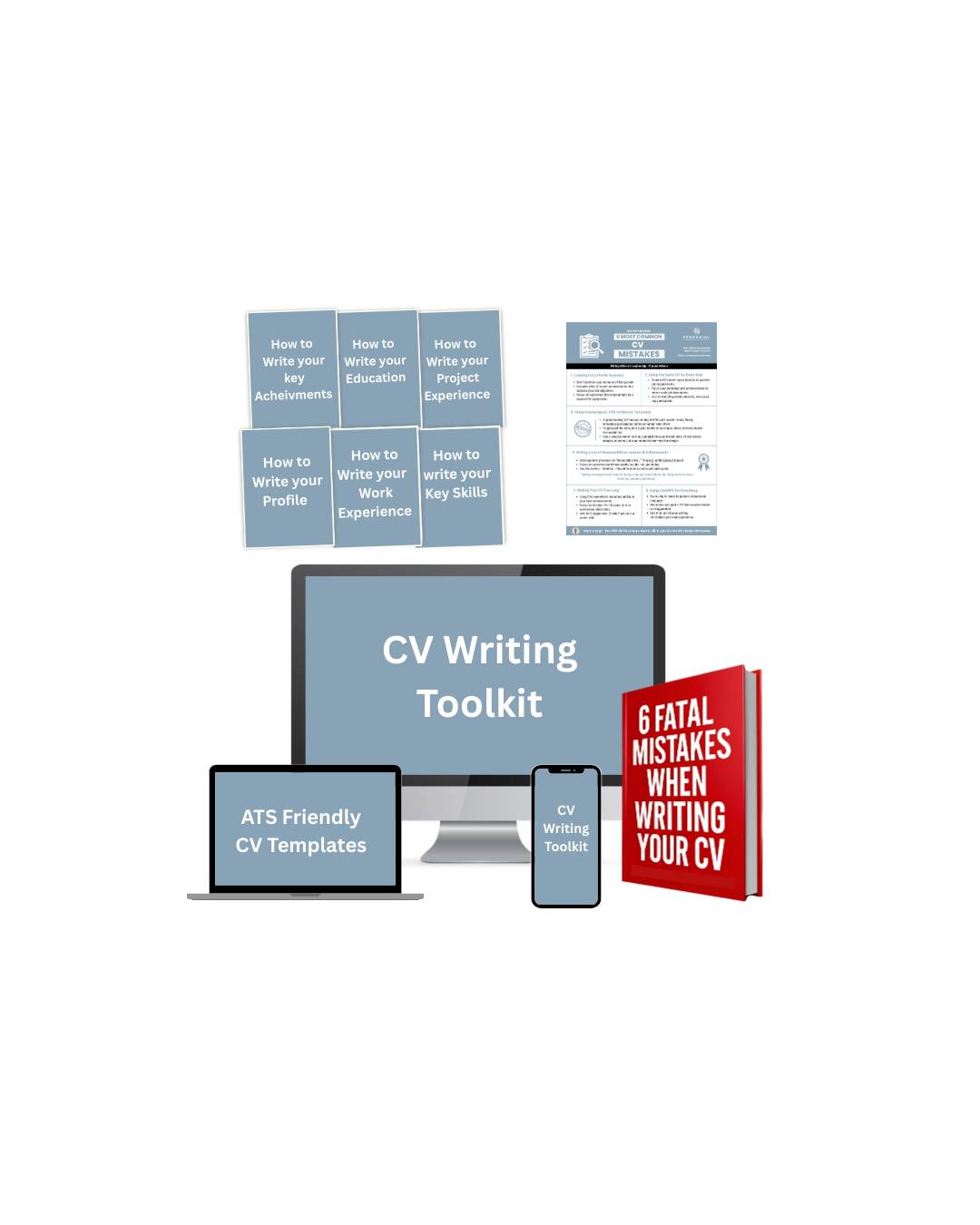
CV Writing Toolkit
Write a Winning CV With Expert Guidance
Struggling to write a strong, professional CV? This DIY Toolkit gives you... Read more |
Cheat Sheets
Click on the button below to get access to all our Hi res Cheat Sheets on
Career Advice, Hiring Advice, HR Insights and Leadership
|