7 HR Trends That Will Shape 2026
⏱ Reading time: 4 minutes
Hello Reader,
Welcome to On HR's Radar, my weekly newsletter where I give actionable job search, Career & leadership insights from my experience as Career Coach & founder of Executive Search business Perennial HR
If you're looking for my Cheat Sheet PDFs, the link is at the bottom of this email!
7 HR Trends That Will Shape 2026
Reading time: 4 minutes
🔑Key Takeaways
- Skills based hiring is expanding access to talent.
- AI is streamlining HR and boosting ROI.
- Hybrid work requires clear, empathetic communication.
- Mobility and reskilling are vital for retention.
1. The Rise of Skills Based Hiring Over Degrees
In 2026, employers are prioritizing skills, experience, and adaptability over academic credentials. Companies recognize that performance potential matters more than traditional degrees.
HR teams are updating job descriptions to focus on outcomes and building skills frameworks that unlock more diverse talent pools.
Why it matters:
- Expands access to diverse candidates.
- Aligns talent with business needs.
- LinkedIn reports 45% of companies globally use skills data to fill roles more effectively.
2. AI in HR: From Buzzword to Business Tool
AI is now a practical solution for operational challenges, not just a futuristic idea. HR leaders are using AI for onboarding, policy questions, and scheduling, while chatbots handle up to 94% of internal queries in some companies.
Focus is shifting to AI governance, ethical guidelines, and measuring ROI in time saved and errors reduced.
Action steps:
- Automate 1–2 admin heavy workflows.
- Review AI governance and ethical use policies.
- Track metrics that matter for ROI.
3. Navigating the Return to Office Push
Many companies, especially in tech and finance, are reintroducing in office mandates. While intended to boost collaboration and culture, this move can create tension with employees used to flexibility.
HR must balance business needs with employee expectations through clear hybrid policies, manager support, and employee feedback loops.
Leadership tips:
- Define hybrid expectations and enforce fairly.
- Provide re onboarding guidance for managers.
- Adjust strategies based on employee input without losing alignment.
4. Enabling Change Through Organizational Design
Rapid change requires agile structures, not rigid hierarchies. HR leaders are revisiting org charts, job architectures, and workflows to enable scalability, cross functional collaboration, and adaptability.
What to watch:
- Structures that flex with strategy.
- Streamlined layers through HR, ops, and finance collaboration.
- Job architecture based on contribution, not rank.
5. Internal Talent Mobility and Reskilling
The “build vs. buy” approach favors building internal talent. Companies are investing in career pathing platforms, mentorship, and project based learning.
Organizations like Schneider Electric and Unilever treat internal mobility as a business goal, not just an HR program. HR must break silos and make opportunities visible and accessible.
Key enablers:
- Career platforms that visualize paths.
- Internal marketplaces and rotation projects.
- Manager accountability for talent growth.
6. Predictive People Analytics Comes of Age
Static dashboards are out. Predictive analytics lets HR anticipate churn, identify leadership gaps, and model workforce scenarios.
Data fluency is now a core HR skill, enabling evidence based decisions that drive business outcomes. AI supported HR systems improve accuracy and speed in workforce planning.
Tips for adoption:
- Start with small pilots, like flight risk prediction.
- Combine analytics with manager insights.
- Train HRBPs to interpret and act on data.
7. Building Human Centered, Purpose Led Cultures
Employees now seek purpose and connection in their work. HR’s role is to embed purpose across the employee journey, from hiring to exit.
Real culture shows up in:
- Leader behavior under pressure.
- What gets rewarded.
- Psychological safety to speak up.
Conclusion
HR in 2026 is strategic and people first. By embracing AI, redesigning work, and fostering internal growth, HR professionals can directly influence business outcomes.
Focus on the fundamentals: build around talent, lead with clarity, and act with intention.
For more insights from Perennial HR: 10 Interview Mistakes Even Experienced Hiring Managers Still Make, Interview Scorecards: The Secret to Smarter Hiring, and How to Optimize Your Onboarding Process to Boost Retention.
 |
$99.99 $27.00
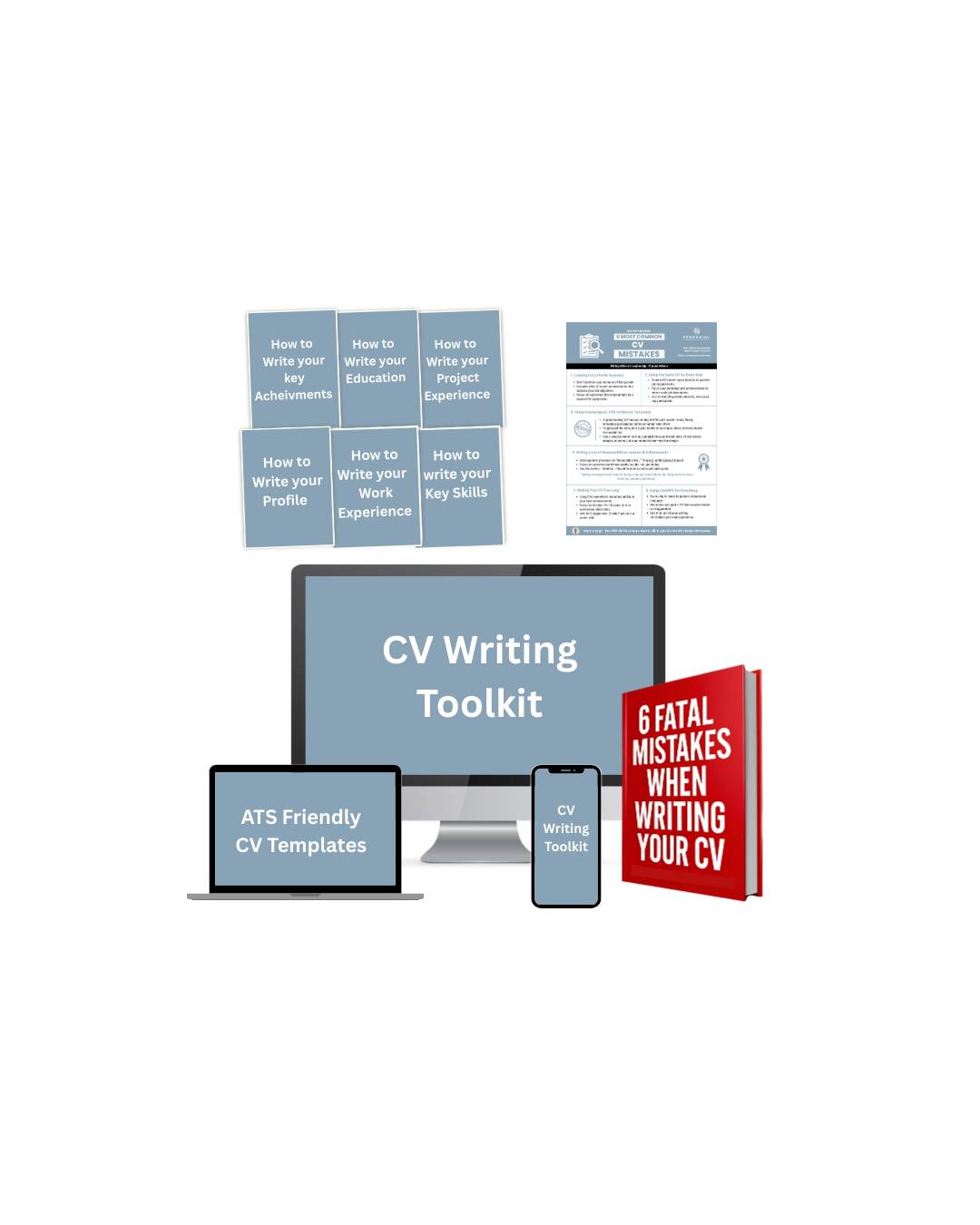
CV Writing Toolkit
Write a Winning CV With Expert Guidance
Struggling to write a strong, professional CV? This DIY Toolkit gives you... Read more |
Cheat Sheets
Click on the button below to get access to all our Hi res Cheat Sheets on
Career Advice, Hiring Advice, HR Insights and Leadership
|